Make A Donation
Click Here >
March 27, 2024
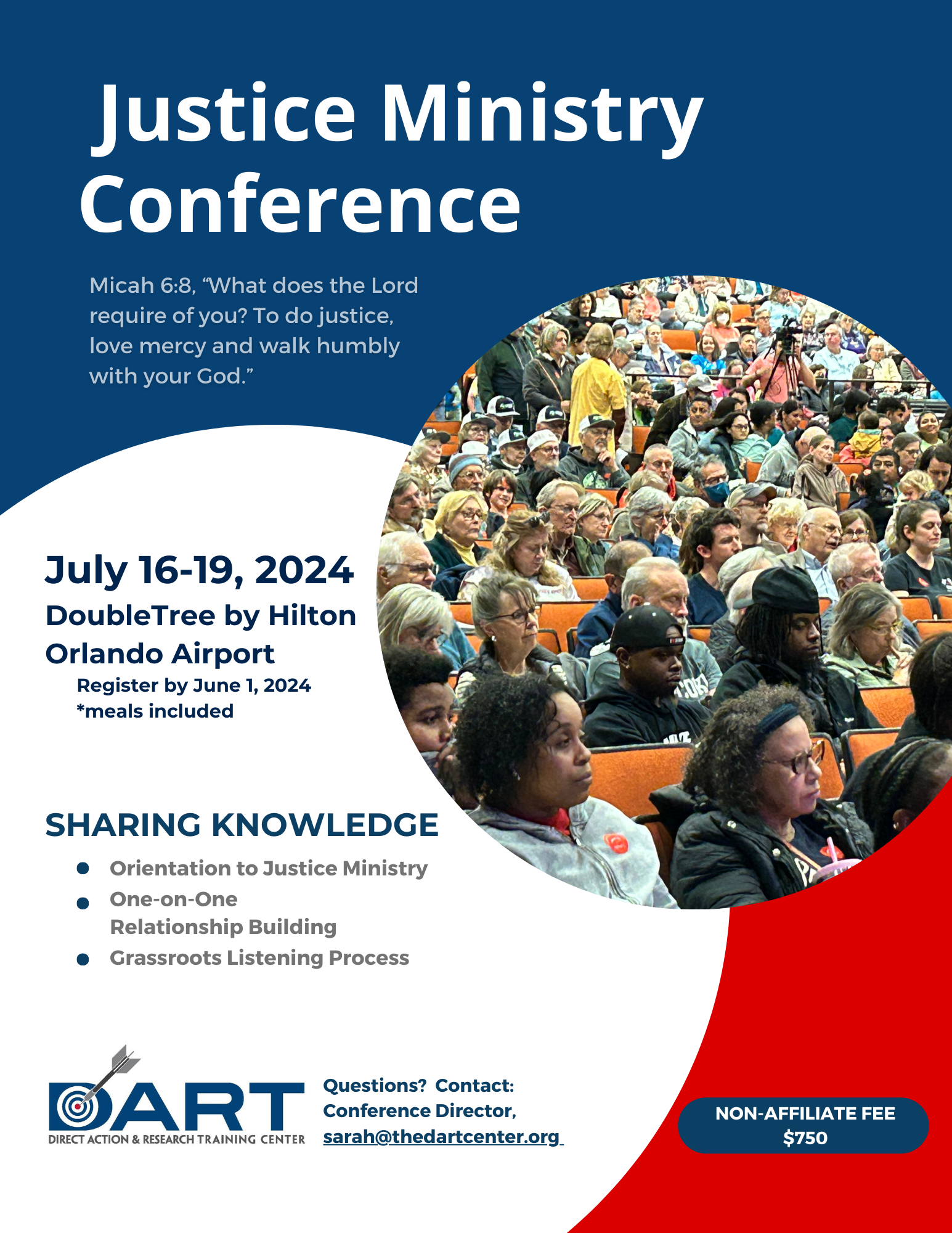 Consider becoming a congregation-based community organizing group Congregation-based Community Organizing (CBCO) is a grassroots organizing approach for rebuilding communities, revitalizing congregations, and developing individuals into effective leaders and change agents. There are hundreds of CBCOs across the country, and gifts to the One Great Hour of Sharing offering allow PHP to fund these groups during… Read more »
March 7, 2024
 By Rvda. Neddy Astudillo Mazuera, advisory committee member for the Presbyterian Hunger Program Liberation Theology is my foundation by inheritance. My parents, a Colombian mother, and a Venezuelan father in the 70s, eager to study Theology and become pastors, moved our family to Argentina at a time of growing political instability, and repression of those… Read more »
February 15, 2024
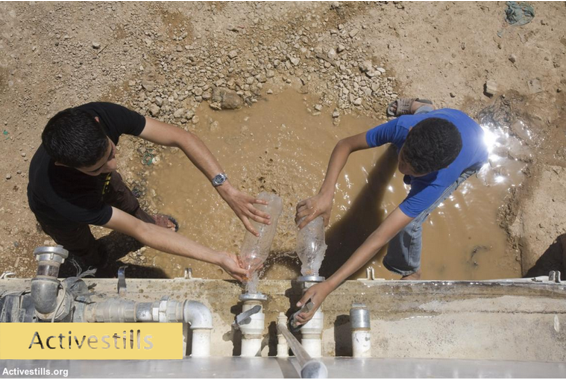 Water for life and death – scarce water for thirsty Palestinians sustains life, while seawater destroys By Andrew Kang Bartlett, associate for national hunger concerns The Bible has a surprisingly large number of references to water. One concordance had 300 water references. From Noah’s Ark and the destructive flood to Isaiah’s well-watered garden and an… Read more »
February 14, 2024
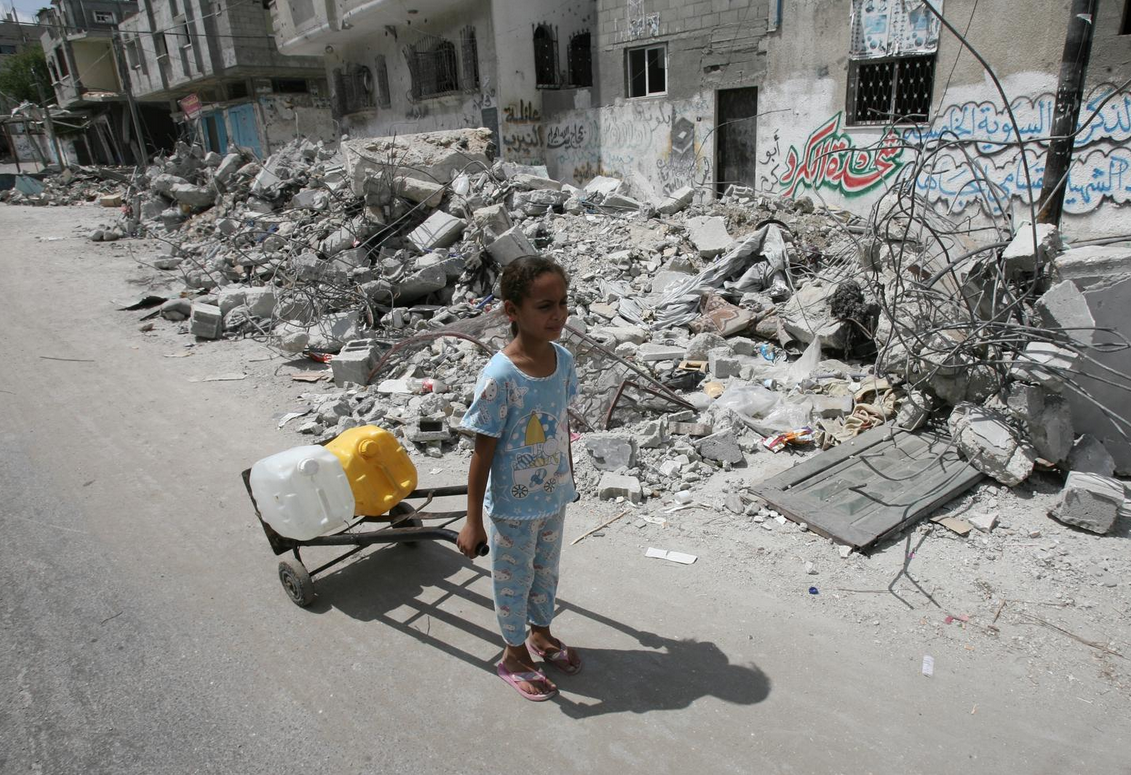 Starvation used as a weapon of war in Gaza By Andrew Kang Bartlett ‘How does God’s love abide in anyone who has the world’s goods and sees a sibling in need and yet refuses help? Little children, let us love, not in word or speech, but in truth and action.’ — 1 John 3:17-18 In… Read more »
November 7, 2023
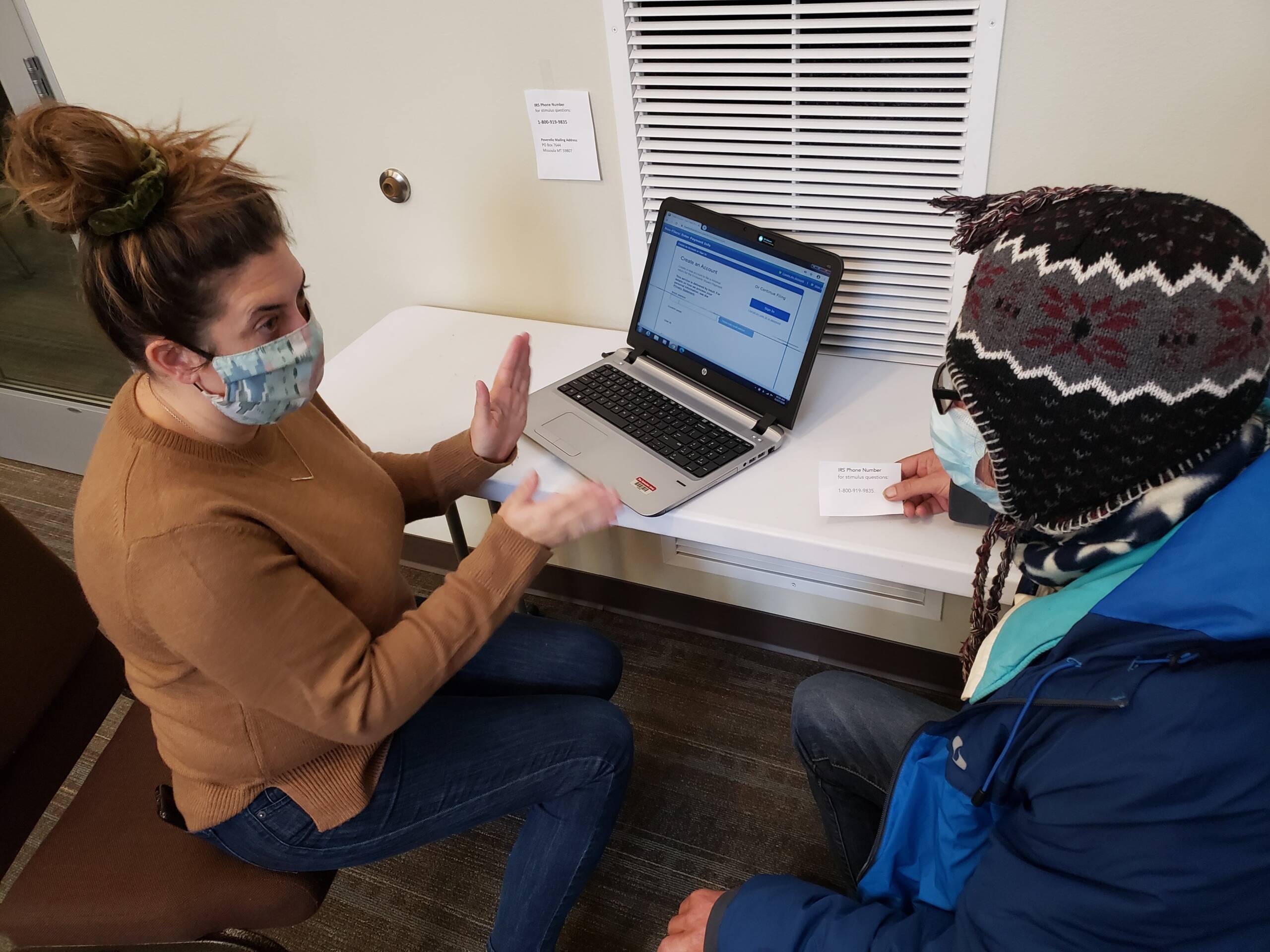 Jennifer Evans, Associate for Communications and National Partnerships At a recent rally calling for the ceasefire in Israel-Palestine, one of the rallying calls was, “We keep us safe.” This call reminded me of the power of community and how power either comes from a lot of organized money or a lot of organized people. The… Read more »
November 1, 2023
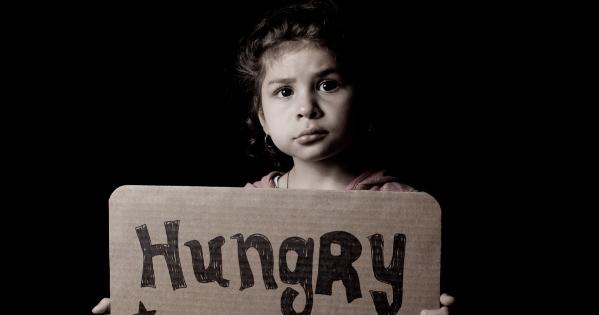 Thanks to our partner, the Sustainable Agriculture and Food Systems Funders, for this week’s updates! USDA Releases Report on Household Food Security in the United States in 2022 This report examines American households’ ability to access sufficient food last year. The report shows 17 million households were food insecure at some point during the year, including… Read more »
October 16, 2023
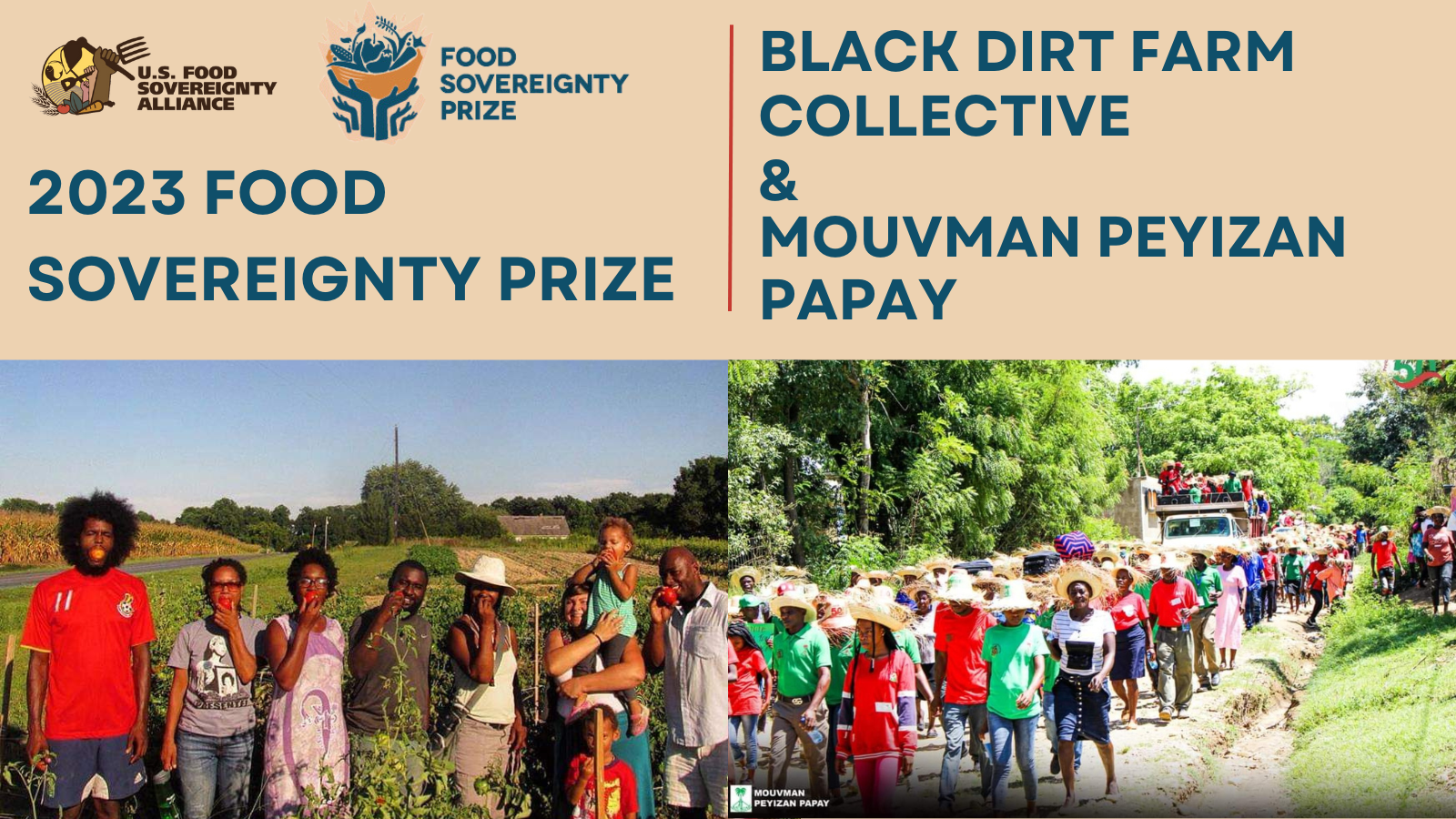 Today is World Food Day! Congratulations to Black Dirt Farm Collective and kompliman to the Haiti’s Mouvman Peyizan Papay (MPP) for winning the 2023 Food Sovereignty Prize! “When we received word of this honor during our Food Sovereignty Camp, 450 young peasant leaders let out a thunderous cry of joy,” said MPP leader Jusléne Tyresias…. Read more »
October 13, 2023
To live out the Matthew 25 vision , we have to build people power through genuine relationships, sharing financial and other resources with communities most impacted by poverty and racism, and supporting our congregations as they connect and stand with their communities. One way we are able to do that is through the Presbyterian Tree Fund, approved in… Read more »
September 18, 2023
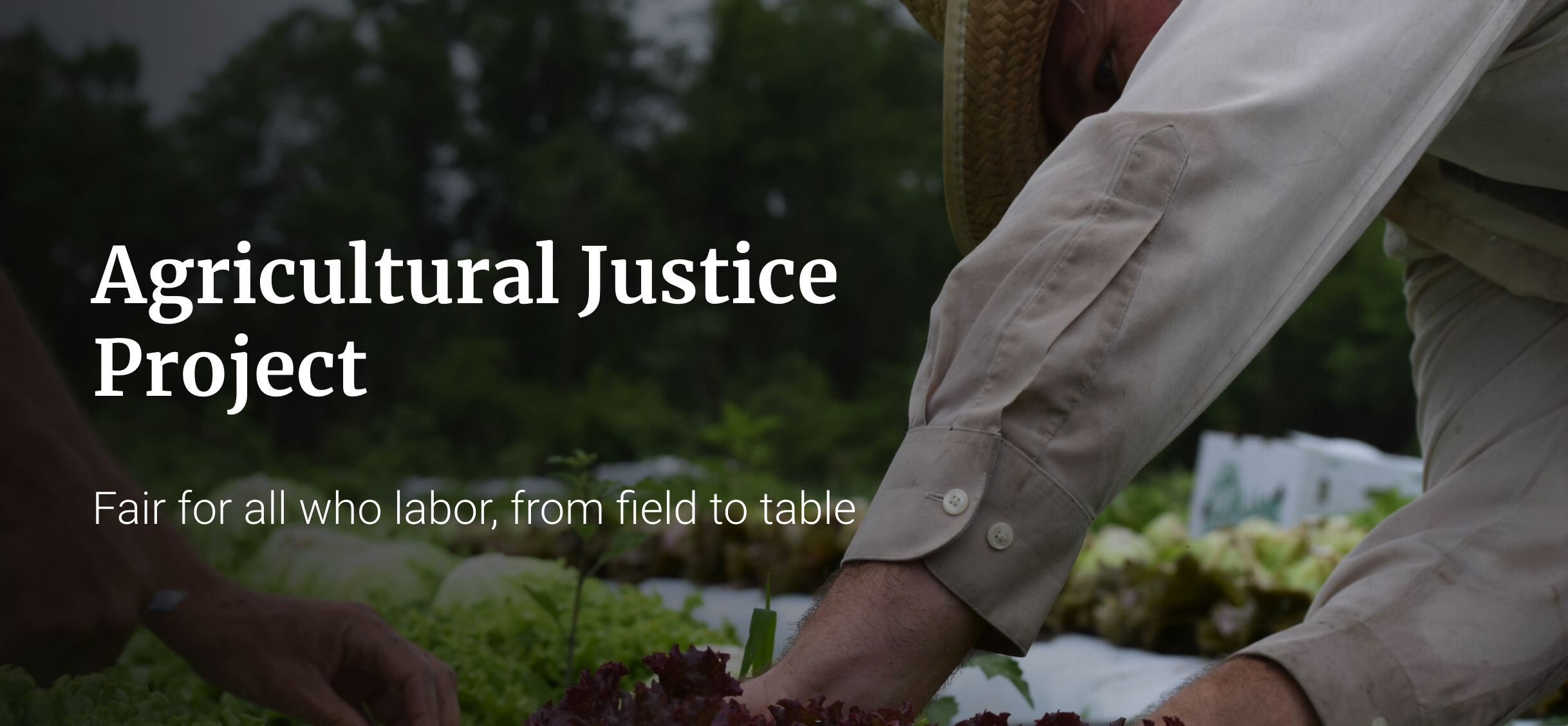 PHP supports two groups, which received the highest accolades for their effectiveness in supporting farm workers. One is the Coalition of Immokalee Workers (CIW) and their Fair Food Program and the second is Agricultural Justice Project. The CIW’s Fair Food Program launched in 2011 and was “one of the earlier food justice schemes to forge… Read more »
July 21, 2023
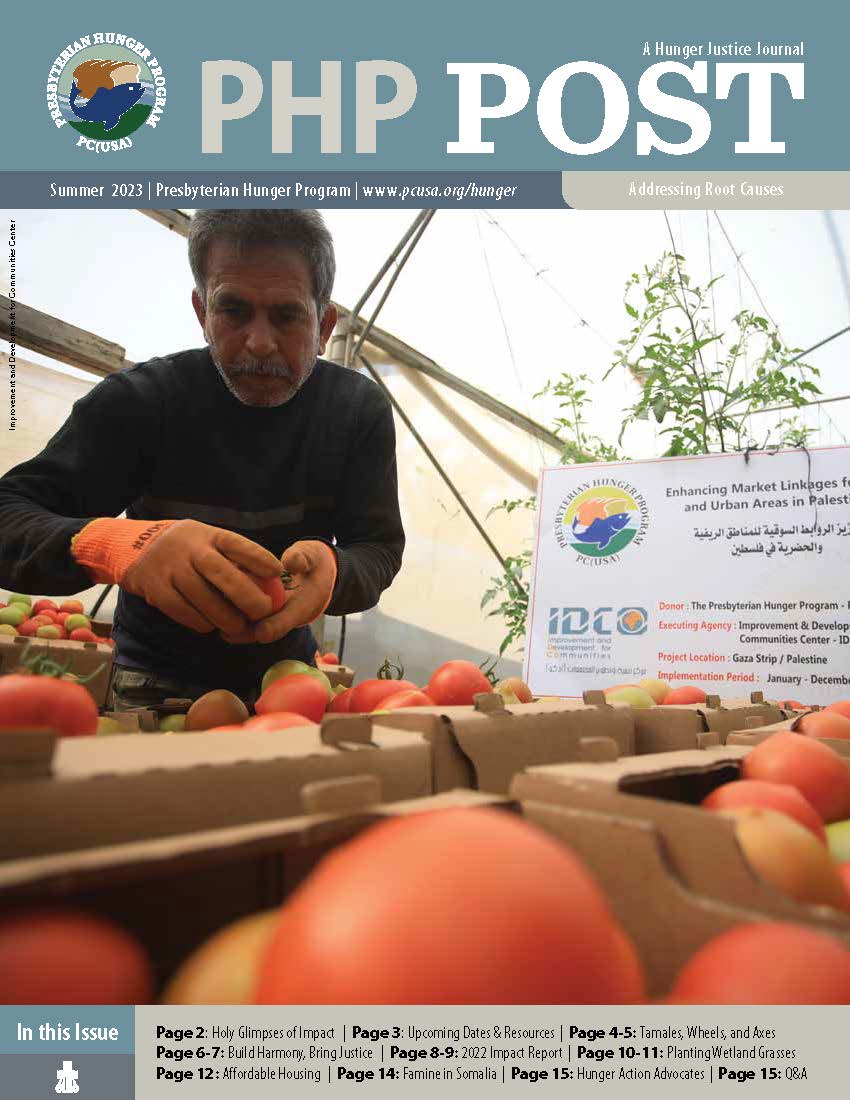 Dive into this issue of the PHP Post to learn how PHP is addressing root causes and making an impact throughout the world. We invite you to read how communities survive in times of drought, how bridging international concerns from one place to another in global solidarity has great impact, how sharing grief and food… Read more »