09265
March 31, 2009
Lots of Hope
Presbyerian pastor preaches on despite ALS
by Erin Dunigan
Special to Presbyterian News Service

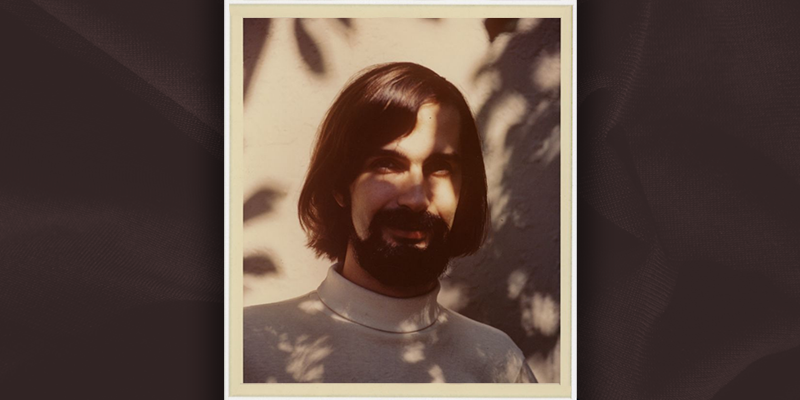
The Rev. Gary Wilburn (left) and his son Sean. Photo by Skype
NEWPORT BEACH, CA ― Like most pastors during the season of Lent, the Rev. Gary Wilburn has been working on his sermon for Easter Sunday.
But Wilburn and his flock are unlike most pastors and congregations.
Wilburn’s ‘congregation’ for Easter will meet on the beach in Baja, Mexico. There will be both English and Spanish speakers, locals and tourists, in attendance and the service will be conducted in both languages.
Most of the folks in attendance will not have been to “church” since the last time Wilburn led a service ― for Christmas — but they gather most Tuesday nights for tacos and margaritas at La Fonda restaurant in the resort town of La Mision and have more “community” than many churches ever find.
But perhaps most in contrast with other pastors, Wilburn ― a minister member of the Presbytery of Southern New England ― will be working not just on what to preach, but the ability to actually preach it. He’s living with ALS, also known as Lou Gehrig’s Disease.
A Presbyterian minister for 40 years, Wilburn has served pastorates from coast to coast. He’s delivered nearly a thousand sermons and speeches, addressing audiences ranging from young people to CEOs, from Jewish and Muslim leaders to President Reagan.
But two years ago, in the most productive phase of his life, Wilburn began to notice that his breathing was becoming increasingly labored.
After several tests ― which showed his lung capacity to be stronger than average ― and visits to several specialists, Wilburn was referred to the ALS Center at Columbia University in New York City. Tests there confirmed the ALS diagnosis.
Patients with ALS typically live only 2 to 5 years after diagnosis. Discovered 120 years ago, there is still no known cause and no cure.
“When Bev [his wife] and I first heard my diagnosis, we were stunned and terrified,” Wilburn recalls. “We had seen the movies and heard the stories of otherwise healthy and happy individuals who had struggled bravely with this devastating disease and their untimely deaths.”
“When we first met with Dr. Mitsumoto, one of the leading physicians in ALS treatment, his desk was piled with hundreds of file folders, with hundreds more on the shelves behind him,” remembers Wilburn.
As the Wilburns continued to meet with Mitsumoto, the stacks of file folders got higher, each one representing the latest data on each patient’s progress with ALS.
“But unlike similar files in a gym or health club, the ongoing progress was always progress toward physical deterioration and dying, not toward health and wellness,” says Wilburn. “None of these patients would ever get well — all that could be measured was our movement toward death.”
“It has been a year and a half now and I have lost most of my voice and must use a voice amplifier,” Wilburn explains. “I take most nutrients through a feeding tube and must limit my research and writing to 2-3 hours a day.”
Even with such limitations, Wilburn has just finished his second book, Lots of Hope.
He also manages to make it to the weekly “taco night” at La Fonda, where many in the community gather each week, and to go on “beach walks” with the help of an ATV loaned to him by one of his neighbors.
“The good news is — I’m still alive!” he says. “I’ve got to tell you, time is not on my side — but hope is. That is why I titled my newest book Lots of Hope.
Wilburn recently spoke to more than 300 doctors, scientists and researchers at an event of the McGowan Institute for Regenerative Medicine in Pittsburgh. He didn’t leave his home in Baja — his son, Sean, helped set him up for a Skype videoconference to those gathered in Pittsburgh.
“This was definitely the most difficult, but most rewarding, speech I have ever delivered,” shares Wilburn.
The difficulty was due to his increasingly labored breathing. The reward was a standing ovation from those who had gathered for the large-screen teleconference.
“It reinforced for me that even though I am down, I’m definitely not out!” says Wilburn.
“They all work in the field, but they have never felt so valued, affirmed and hopeful,” Wilburn reflects. “Having hope doesn’t make it better. Having Hope makes us want to make it better.”
His sermon for Easter 2009 is entitled, “Lots of Hope.”
Gary Wilburn can be reached by email.
|