PC NEWS - Presbyterian News Service
PC (USA) Seal PC(USA) Homepage


Bookmark and Share

09530
June 23, 2009

Reluctant about evangelism

Mead, Hoey present attitudes, styles that can overcome fears

by Bill Lancaster
Special to Presbyterian News Service

ATLANTA — Presbyterians only have two issues when it comes to evangelism: their reluctance to do it and how to do it effectively, two experts on the subject told the Evangelism Conference here June 12, part of the Presbyterian Church (U.S.A.)’s inaugural Big Tent event.

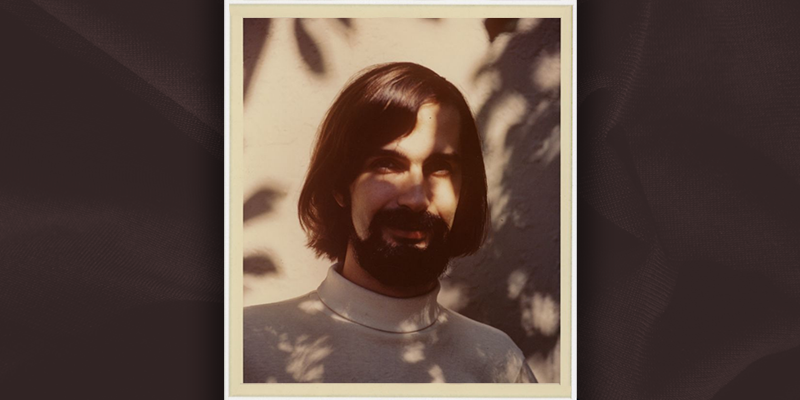
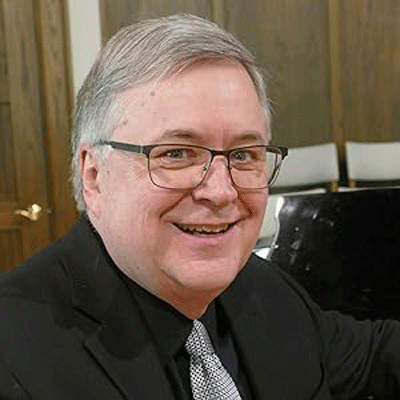
The Rev. Jim Mead, former vice-moderator of the General Assembly and associate pastor of fast-growing Chapel Hill Presbyterian Church in Gig Harbor, WA, and the Rev. Eric Hoey, director of Evangelism and Church Growth for the denomination’s General Assembly Council, addressed those two key issues in back-to-back workshops.

 “If you try to introduce evangelism to your congregation, you will hear a lot of what people don’t want to be,” Mead said. ‘We don’t want to be high pressure. We don’t want to be slick. We don’t want to be religious fanatics. We don’t want to be like ‘that church’ that works manipulatively singing the contemporary version of ‘Just as I Am’ for 15 verses until somebody finally comes down front.”

While most Presbyterians know what they don’t want to do evangelistically, “only one percent of us ever use our Holy Spirit-given gift of evangelism.” Mead said, introducing  a story about when he was a younger pastor having a discussion with another minister about evangelism.

Mead said he expressed problems with each method the other man suggested until the other pastor said, “’I believe I like my method of doing something better than your method of doing nothing.’”

Mead said that caused him to reexamine his thinking about evangelism.

Hoey presented six styles of evangelism, all found in the Bible:

  • Peter’s confrontational approach found in Acts 2:22-41 — Peter confronted a huge crowd with a bold speech telling them they crucified Christ. They were cut to the heart, and repented and were baptized. “This approach is hard hitting, direct, and challenges hearers to get off the fence. This is the style that Presbyterians say is not for them. It works in Brazil, but not for us here,” Hoey said.
  • Paul’s intellectual approach found in Acts 17:15-34 — Paul went to Athens where Greek philosophers loved to gather to hear and debate. Paul pointed to an altar to an unknown god, then claimed “unknown” gods to be the God and father of Jesus Christ. “Different contexts show us different opportunities to present the gospel,” Hoey said.The blind man’s testimonial approach as found in John 9:1-15 — Here Jesus put mud on the eyes of a man born blind and sent him to wash in the pool of Siloam. This caused suspicion among the scribes and Pharisees. The formerly-blind man simply told his experience, “’Though I was blind, now I see.’” Hoey said. “This is the testimonial approach. It is one of the most powerful approaches. We should write our testimony and be able to give it in three minutes. There are three parts: how you were before experiencing Jesus’ love; your experience of Jesus’ love; and the difference in you afterwards. With this, you have a story you can use at any particular time,” Hoey said.
  • Matthew’s interpersonal approach as found in Luke 5:27-29 — Levi the tax collector left everything and followed Jesus. Then Levi held a great banquet at his house with Jesus and his disciples present and invited a large group of tax collectors and others to eat with him. “Levi is someone who creates opportunities where Christians commingle with those outside the church,” Hoey said.
  • The Samaritan woman’s invitational approach as found in John 4 — After Jesus confronted the woman at the well, the woman went back to the village and said, “Come see a man who told me everything I ever did. Could this man be the Messiah?” Hoey said she was very relational, extroverted, known by everyone in the village and she invited her friends.
  • Dorcas’ service approach as found in Acts 9:36-42 — Dorcas was always doing good and helping people. She died and Jesus came. “Her house was filled with her friends who showed Peter all the robes and clothes she had made while she was with them. They were drawn to her and to Peter because of her service,” Hoey said. Peter raised her from the dead.

Bill Lancaster is associate executive for Foothills Presbytery and a frequent contributor to Presbyterian News Service.

             
PC(USA) Home (Link)
     
  subnavigation divider  


  subnavigation divider  
   
  subnavigation divider  
   
  subnavigation divider  


  News from the Big Tent - Atlanta 2009  
     
  Deep and Wide stories  


Contact PC(USA)