PC NEWS - Presbyterian News Service
PC (USA) Seal PC(USA) Homepage


Bookmark and Share

09531
June 23, 2009

Tools for effective spiritual leadership

No church will rise above the quality of its elders

by Sandy Sweep
Special to the Presbyterian News Service
Photo: Joan Gray
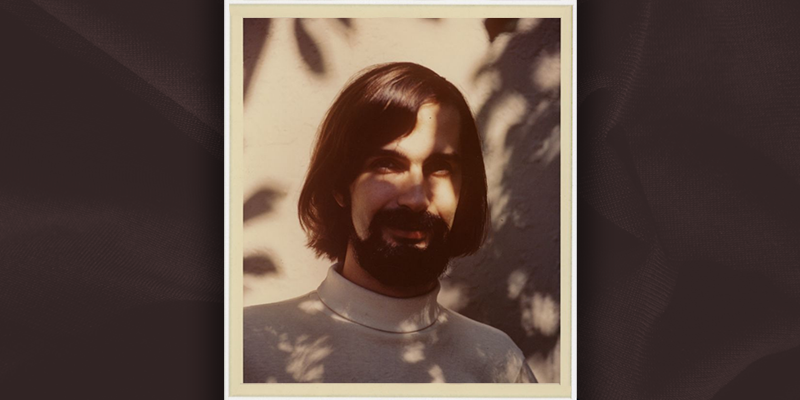
Joan Gray, moderator of the 2006 General Assembly (2006), stressed the importance of balance and humility when elders seek to direct the spiritual life of their congregation. Photo by Duane Sweep

ATLANTA — “No church will rise above the quality of its elders,” the Rev. Joan Gray, moderator of the General Assembly (2006) told the National Elders Conference here June 12, as she outlined the characteristics and pratices required to be an effective, quality spiritual leader.

The conference was part of the denomination’s June 11-13 inaugural Big Tent, combining 10 regular PC(USA) conferences into a single event with joint worship, group meals and a plethora of workshops open to all.

Gray emphatically said that any person involved with the church — choir director, education leader, deacon, etc. — is in a position of leadership in the church.

However, it is the elders who are responsible for the spiritual leadership of the church and whose role is to “encourage others to seek and do the will of God.”

Some of the characteristics of effective spiritual leaders, as defined by Gray, are that they:

  • Have a passion for God;
  • Can access spiritual resources;
  • Use sanctified imagination;
  • Are willing to risk — and fail;
  • Discern and use the spiritual gifts of others;
  • Are willing to pay the price of leadership; and
  • Take responsibility for their own spiritual growth and self care.

Practices, or behaviors, of spiritual leaders center on three areas: being able to handle conflict, to practice discernment, and avoid burnout.

Every church has conflict, says Gray. “A church without conflict is dead.”

The key as a spiritual leader is being able to rationalize the conflict and set into motion a process of how to deal with it, states Gray. Church elders need to be sensitive and “pay attention to what is going on around you.”

Which, leads, she says, to the second practice of discernment: “to determine the quality of life in the church.” Gray stressed that elders, in making choices about the life of the congregation, balance in life is important as is humility in making those choices. With prayer and faith, “God will lead us if we allow him,” added Gray, “but we must believe God will lead us.”

If elders of any church are experiencing an imbalance in their personal lives, perhaps it is a question of “timing of leadership,” said Gray. “Spiritual leaders, elders, don’t need to feel bad, it just may not be their callling at this time, or it may be someone else’s turn,” Gray explained.

Sandy Sweep is a free-lance communicator and school board member in Eagan, Minnesota.

             
PC(USA) Home (Link)
     
  subnavigation divider  


  subnavigation divider  
   
  subnavigation divider  
   
  subnavigation divider  


  News from the Big Tent - Atlanta 2009  
     
  Deep and Wide stories  


Contact PC(USA)